8 Graffiti Films You Should Know

Graffiti has always been documented from the inside: on VHS tapes passed between writers, independent documentaries, underground films and footage recorded from train platforms, yards and city streets.
Some films became historical documents. Others captured scenes at the exact moment they were changing. Together, they preserve a side of graffiti that photographs alone cannot: the movement, risk, atmosphere and voices behind the work.
Here are eight graffiti films worth knowing.
1. Style Wars (1983)
Few films have shaped the way graffiti history is understood as much as Style Wars.
Directed by Tony Silver and produced with photographer Henry Chalfant, the documentary captures New York's subway graffiti scene at the beginning of the 1980s, alongside breaking and the wider hip-hop culture developing around it.
What makes the film essential is its access. Writers including SEEN, SKEME, MIN ONE and DONDI appear not as distant historical figures, but as young people actively defining the culture while the city debates how to stop them.
The result is more than a graffiti documentary. It is a record of New York at one of the most important moments in graffiti history.

2. Wild Style (1983)
If Style Wars documented the culture, Wild Style turned it into cinema.
Directed by Charlie Ahearn, the film follows graffiti writer Zoro, played by legendary New York writer LEE Quiñones, as he navigates the underground scene and the growing interest in graffiti from the art world.
The cast itself makes the film a cultural document. LADY PINK, Fab 5 Freddy, Grandmaster Flash and other figures from New York's early hip-hop scene appear throughout.
Part fiction, part documentation, Wild Style captured graffiti, rap, DJing and breaking before those cultures had been fully packaged for a global audience.
3. Stations of the Elevated (1981)
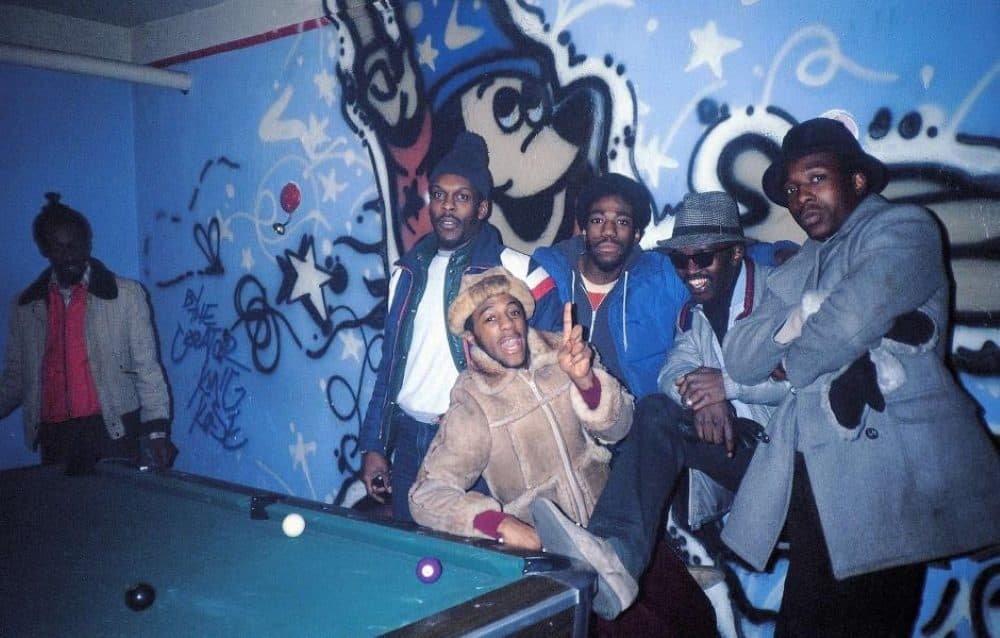
Before many documentaries began explaining graffiti through interviews, Stations of the Elevated simply observed it.
Directed by Manfred Kirchheimer, the film moves through New York's elevated train lines and subway yards, showing painted trains travelling through the city against a soundtrack that moves between jazz and the industrial noise of the railway.
There is almost no conventional narration. Instead, the trains and the city become the subject.
That makes it one of the most atmospheric records of the New York subway era, capturing pieces by writers including BLADE, LEE, P-NUT and others while the system was still covered in paint.

4. VideoGraf (1989–1990s)
Long before social media gave writers instant access to scenes around the world, graffiti circulated through magazines, photographs and videotapes.
VideoGraf was one of the most important of those video documents.
Created by Carl Weston and Colin Turner, the New York video magazine documented writers, trains, walls, interviews and street footage directly from the scene. Episodes circulated on VHS and gave viewers access to graffiti culture in a rawer format than traditional television documentaries.
Watching VideoGraf today feels less like watching a polished documentary and more like opening a time capsule from the streets of 1990s New York.

5. On the Go (1990s)
On the Go belongs to the same era when graffiti videos became an important way for scenes to document themselves.
The series mixed graffiti with hip-hop, interviews, street footage and travel, capturing the culture as it expanded beyond individual cities and became increasingly international.
Its energy is part of its importance. Rather than looking back at graffiti historically, the cameras were there while the culture was happening.
For a generation of writers, tapes like On the Go were part entertainment, part documentation and part visual education.
6. Dirty Handz (1999)
By the end of the 1990s, some of graffiti's most intense train activity had shifted to Europe.
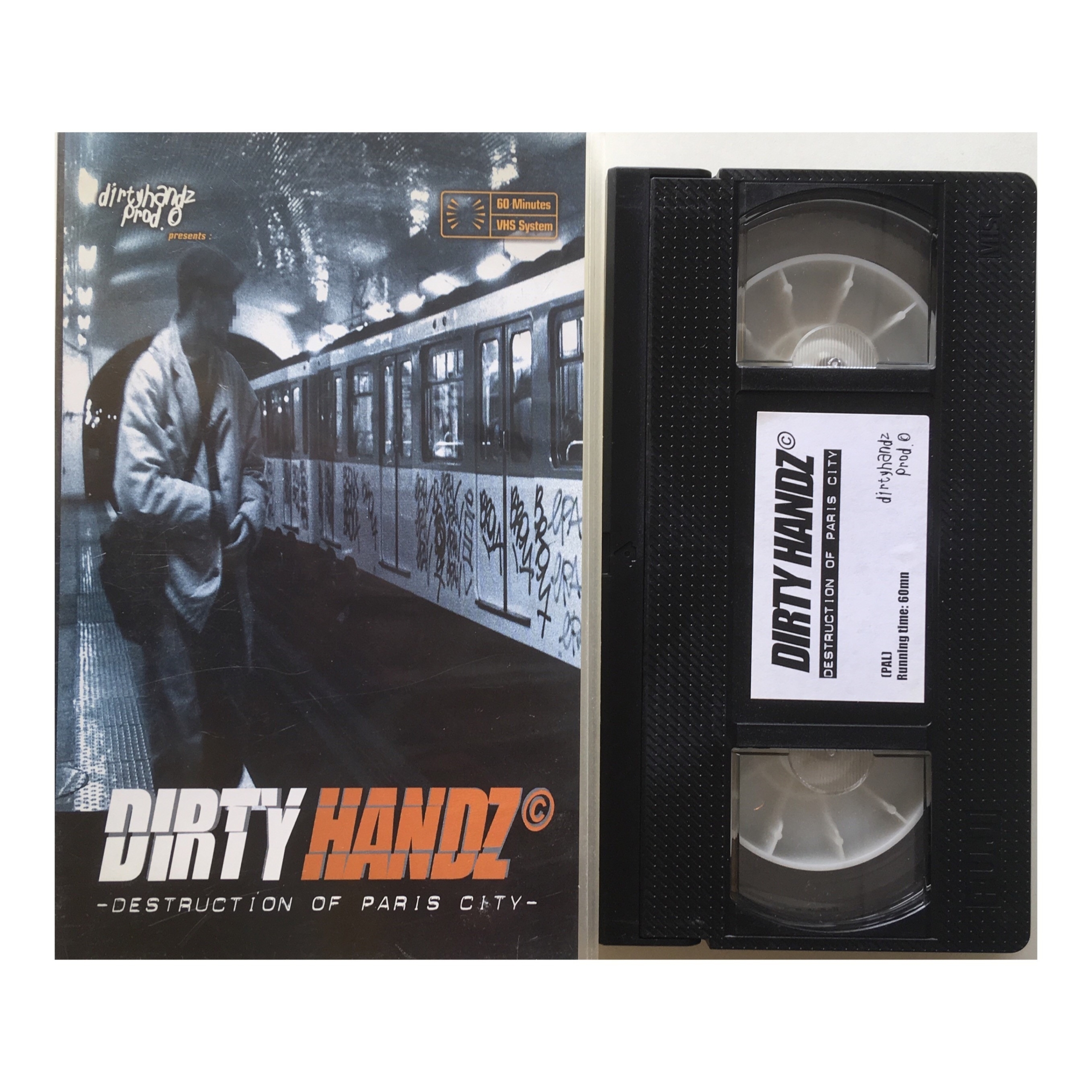
Dirty Handz captured that world from extremely close range.
Centered largely around Paris and European train writing, the film follows writers into yards, tunnels and railway systems, showing the preparation and execution behind painting trains.
There is little distance between the camera and the action. That immediacy helped establish a visual language that would influence countless European graffiti videos that followed.
Dirty Handz eventually became a series and remains one of the defining documents of European train graffiti.
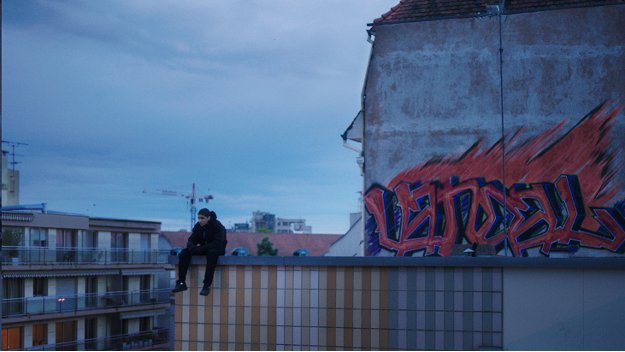
7. Kroonjuwelen (2006)
Amsterdam developed one of Europe's most influential graffiti scenes, and Kroonjuwelen tells its story from the inside.
Directed by Stunned Film, the documentary traces Amsterdam graffiti from its early punk-era roots through the development of a larger writing culture.
Rather than focusing only on finished pieces, the film connects graffiti to the city itself: its subcultures, writers, locations and changing attitudes toward painting public space.
For anyone interested in how graffiti developed outside New York while creating its own local identity, Kroonjuwelen is essential viewing.

8. Unlike U: Trainwriting in Berlin (2011)
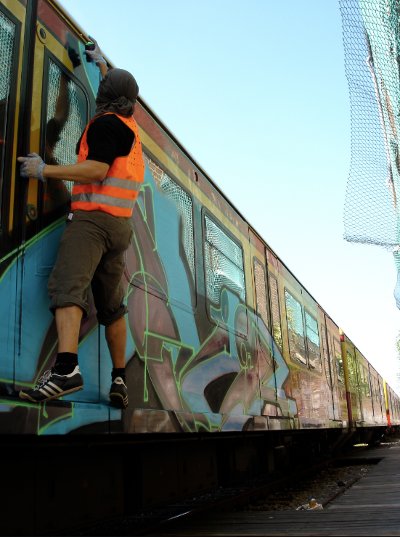
Berlin's train scene has produced its own mythology, built around a heavily controlled transport system and writers determined to paint it anyway.
Unlike U, directed by Henrik Regel and Björn Birg, documents that culture through the people inside it.
The film follows Berlin train writers and examines the obsession, repetition, risk and commitment involved in painting trains in a city where security constantly evolves.
Instead of treating train writing simply as spectacle, Unlike U spends time on the mentality behind it: why writers continue despite the consequences and what the act itself means to them.
Why These Films Still Matter
Graffiti changes quickly.
Trains are cleaned. Walls disappear. Cities redevelop. Writers change names, styles or stop painting altogether.
Film preserves something different from a photograph. It records how a city sounded, how writers spoke, how trains moved through stations and how graffiti existed within everyday life.
These eight films document different eras and different scenes, but together they show graffiti as a living culture rather than a collection of finished images.
And there are many more.
What graffiti film should be added to the list?